Two Healthy Youth workers from the Healthy Youth ministry, two elementary school grades, two cities, one theme—during Easter week this year, some Czech children had the unique opportunity to experience the Easter story in a different, unconventional way, and we were there to witness it all.
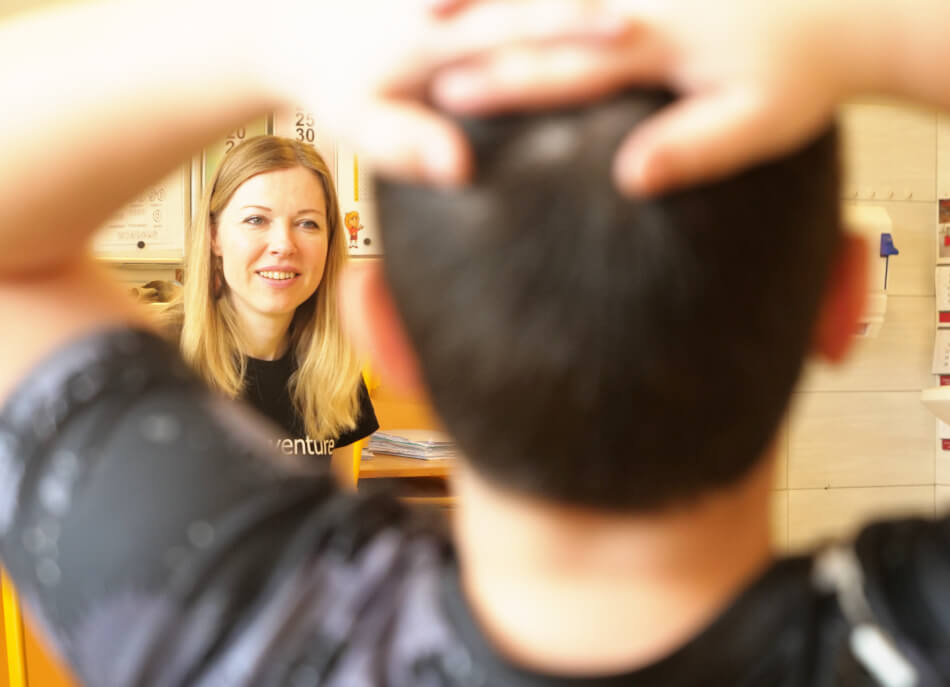
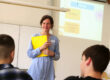
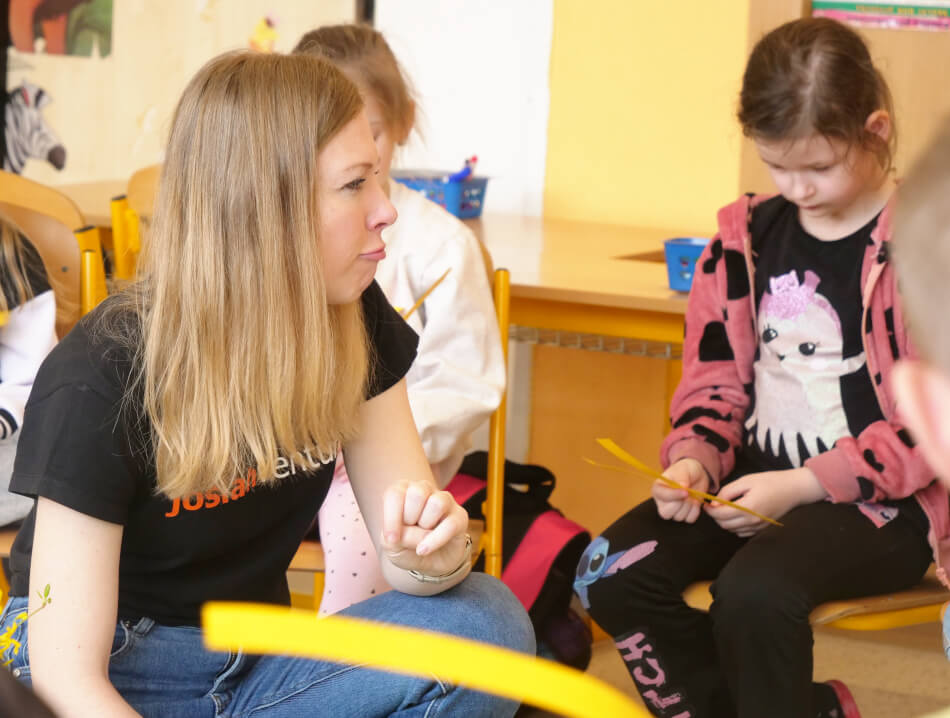
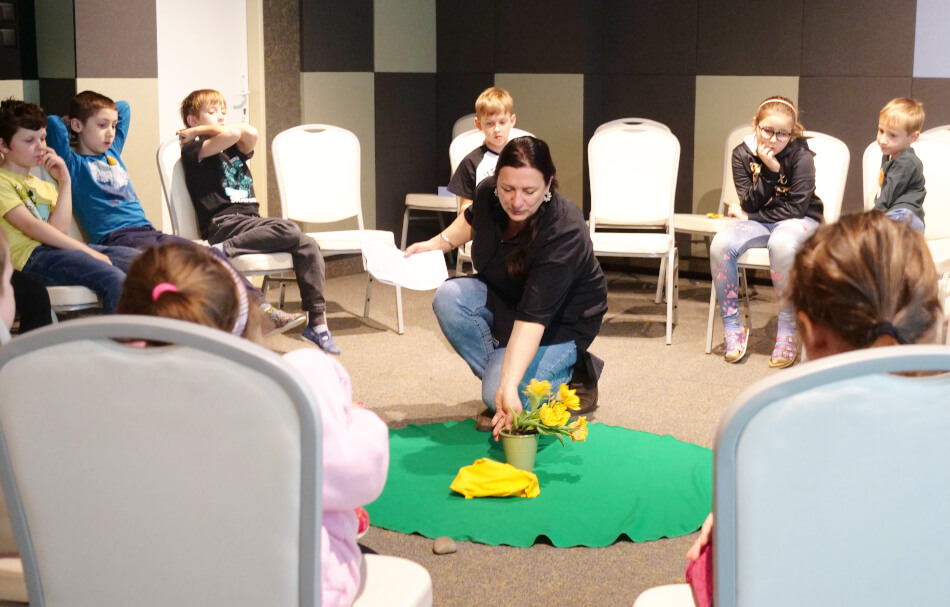
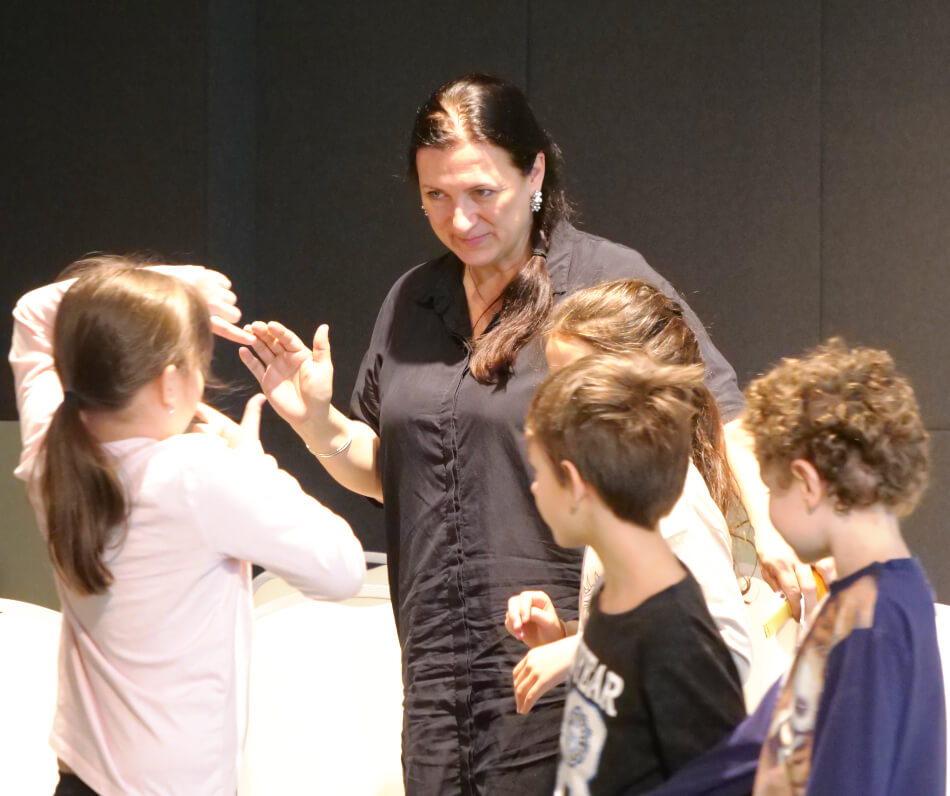
Miriam talks with the children about the meaning of Easter—sensitively and respectfully.
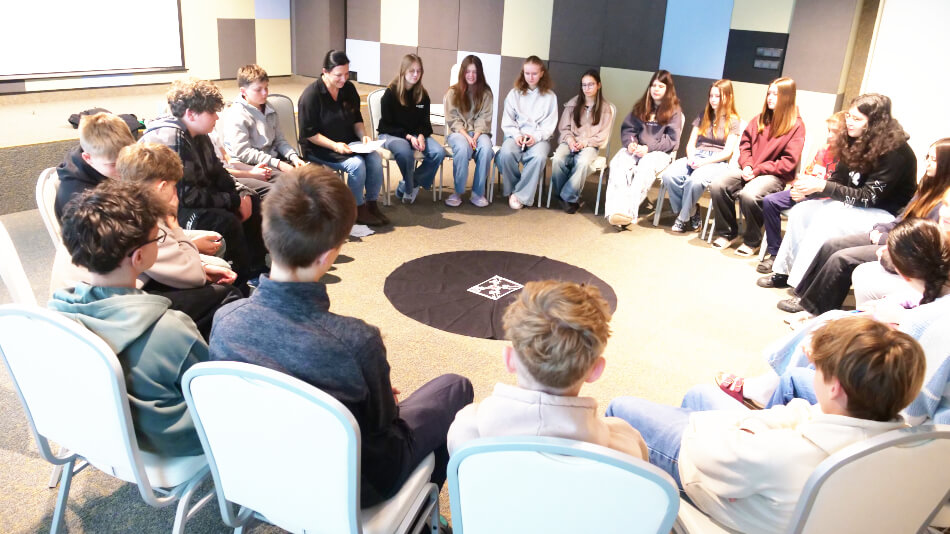
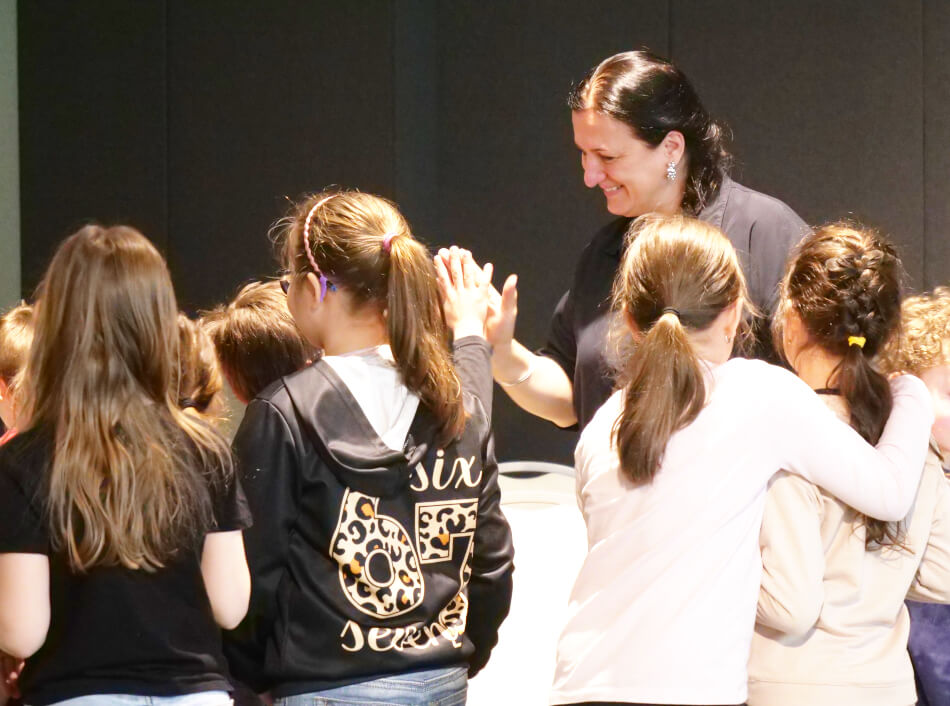
Miriam Paszova is an experienced HY worker who has been visiting schools in her neighborhood for several years. Elementary school children are her ideal audience, so she feels right at home even among little first-graders. She clearly knows how to work with them, because after a moment, the little girls sitting in a circle next to her are holding her hands and looking up at her with adoration.
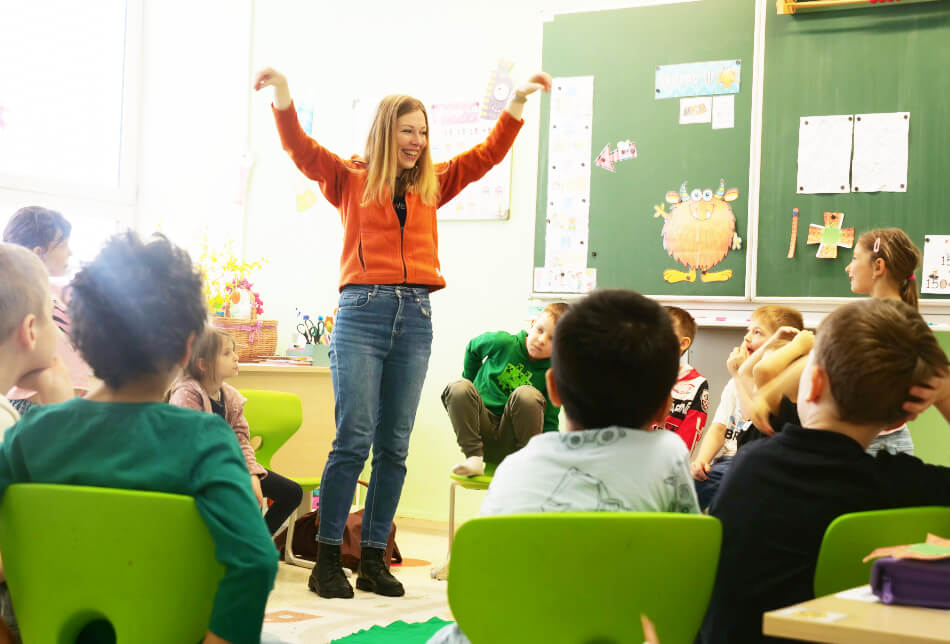
It’s obvious at first glance that the program has been prepared with care and sensitivity, with an emphasis on the children’s age and level of understanding. She presents the Easter theme clearly and within a broader cultural, religious, and values-based context—for example, through the motif of nature awakening in spring.
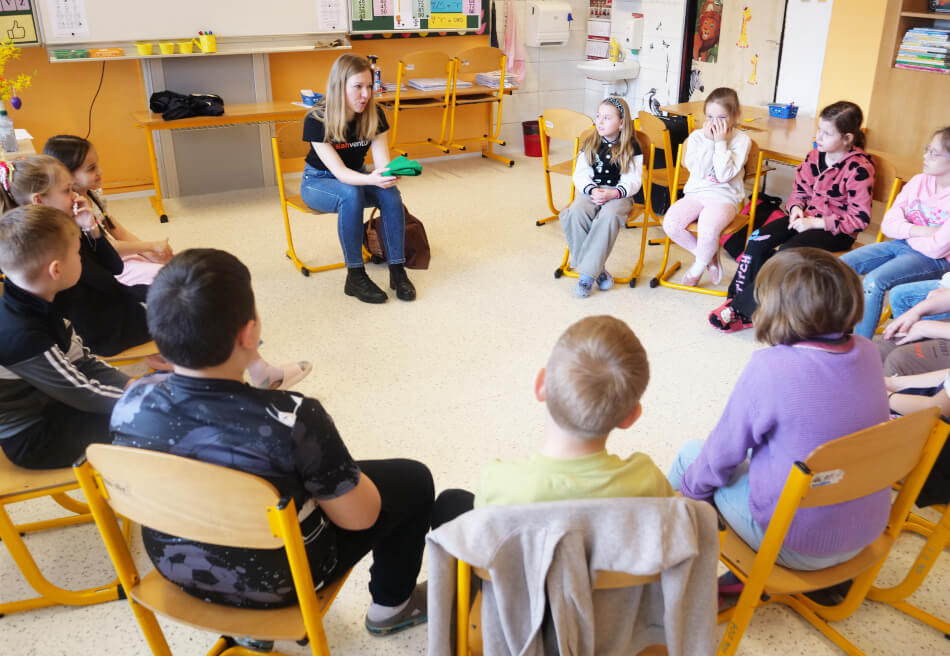
Miriam invites the children to talk about the Easter story, and they gladly and willingly accept her invitation.
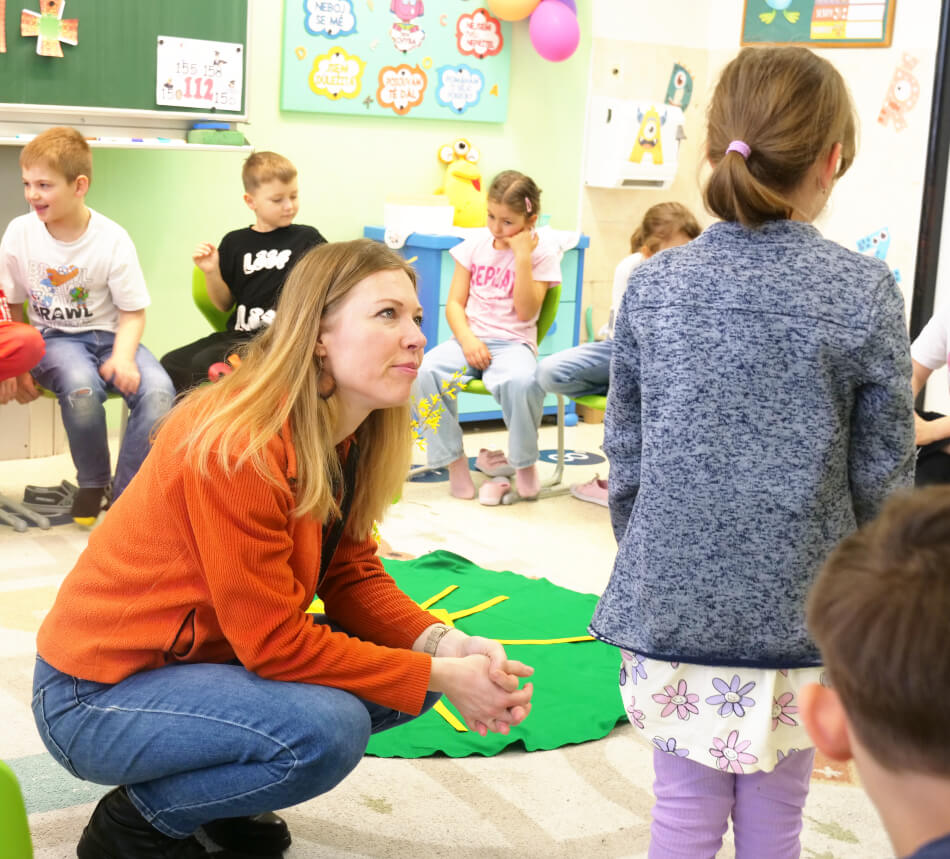
For instance, the children learn to identify situations in which they experience joy or, conversely, sadness. Miriam uses gentle and easy-to-understand props, such as a spring meadow or the sun. As she gradually asks the children, “What makes you happy?” or “What makes you sad?”, the children respond spontaneously, and Miriam helps them connect the events and experiences of everyday life with major historical events they are familiar with.
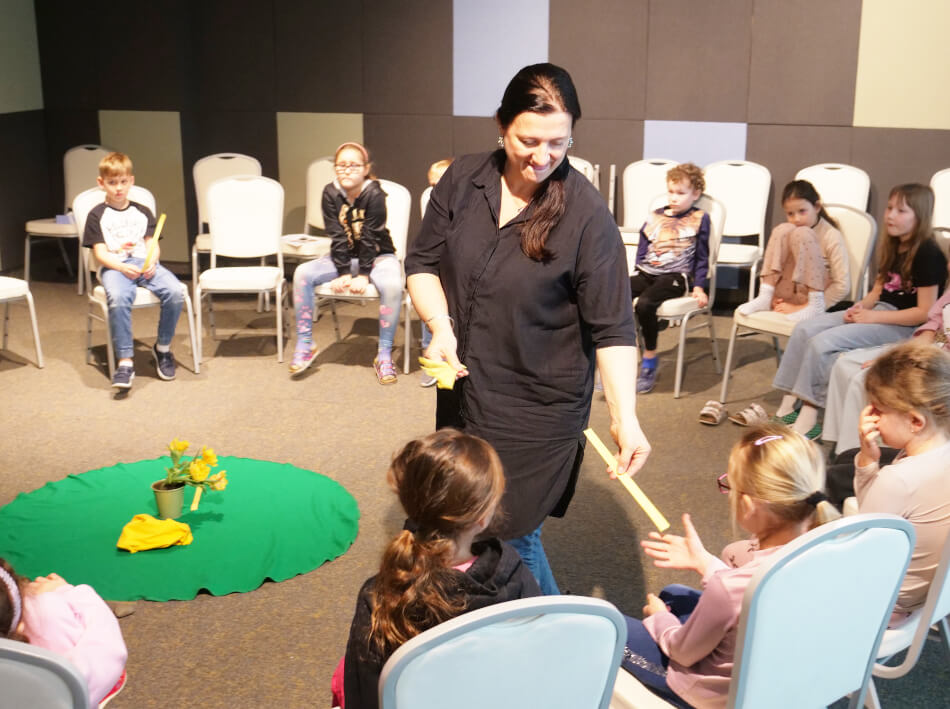
The program concludes with the message that light is stronger than darkness, joy is greater than sadness, and life is greater than death. As part of this, the pupils take turns passing around rays of sunlight along with a wish they’ve written for one of their classmates.
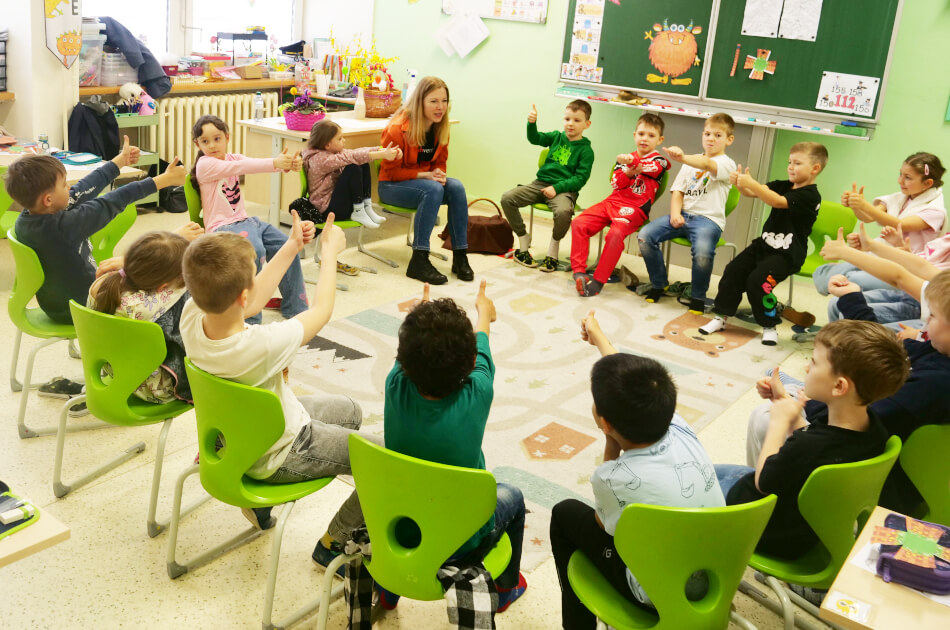
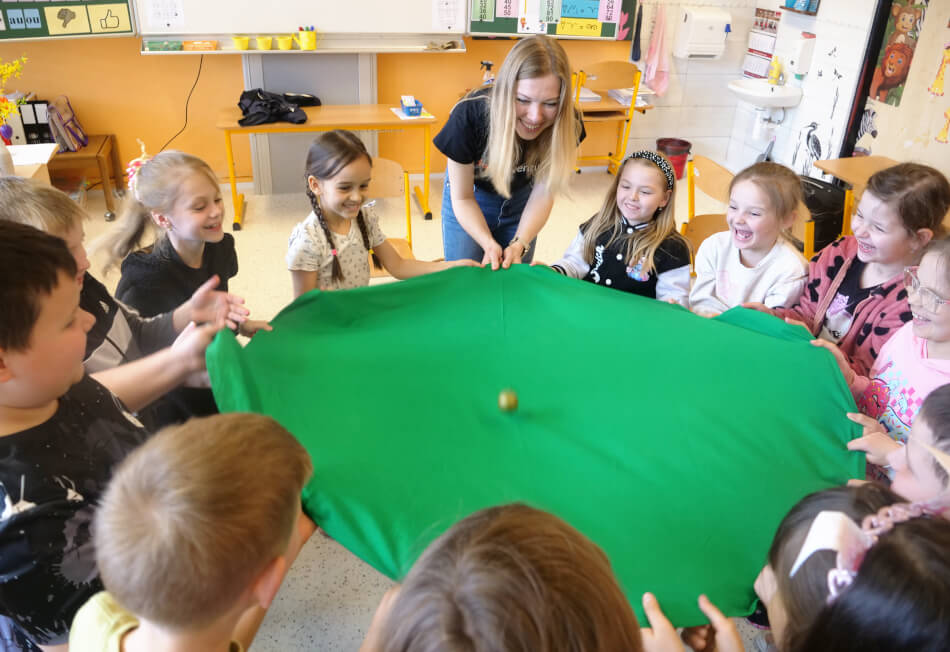
Do not repay evil with evil, but repay it with good. A philosophy that has guided many great figures in both Czech and world history.
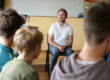
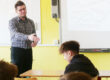
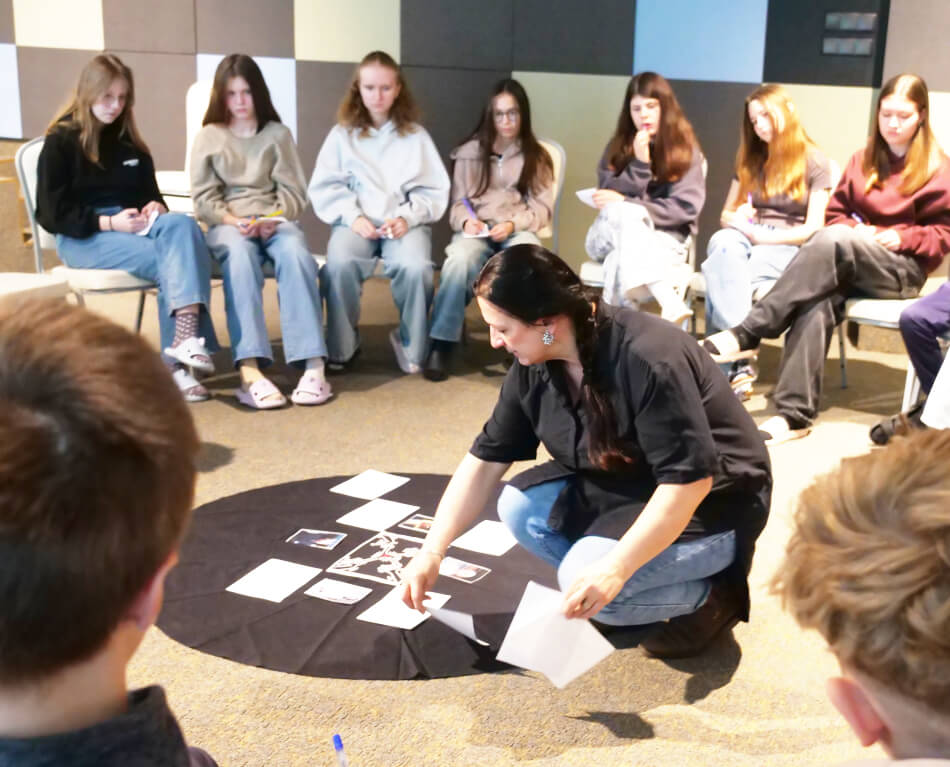
A short while later, I’m observing the same program—but at a different school—with the HY worker Denisa Mouchova and the local seventh-graders.
The program’s goal is the same, but the content is more tailored to adolescents. In addition to the story of Jesus on the cross, this time we’re discussing situations of powerlessness and violence.
The students recall historical figures who made an impact on the world through nonviolent resistence, mentioning leaders like Vaclav Havel and Mahatma Gandhi.
They also discuss whether they themselves experience pressure in their lives and how they cope with it, as well as their willingness to offer or accept help.
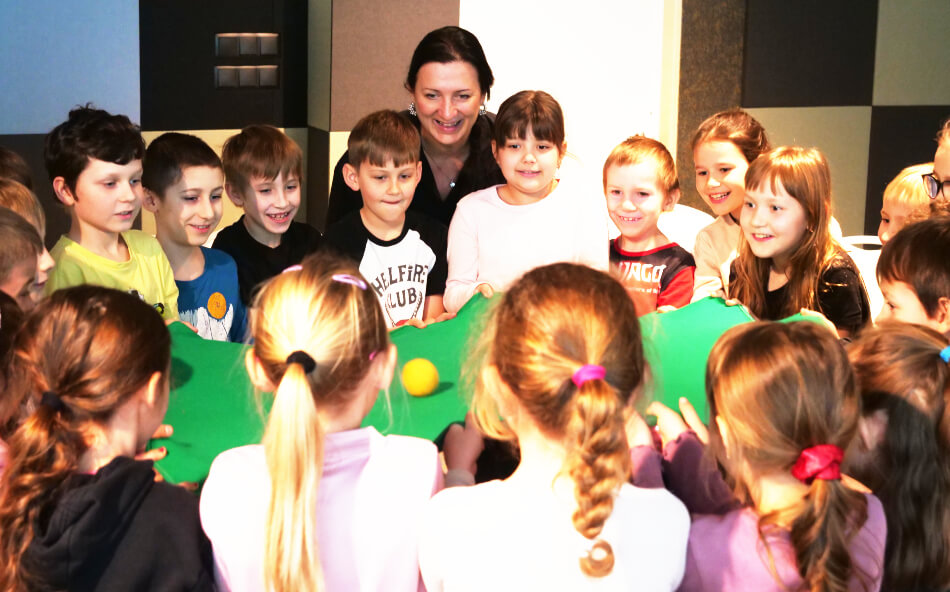
I realize how rare it is to engage in such profound debates during a single class session. It occurs to me that this is certainly due in large part to the HY workers’ calm demeanor, the compelling visual aids, and the brilliantly designed program. All three of these elements—and perhaps others as well—enable children in Czech schools to experience the Easter season in a completely new light, one that is still unfamiliar to many.
It remains only to say that this wonderful program is carried out in schools by the HY workers under the auspices of the non-profit organization Ethical and Character Education, and is endorsed by the Diocese of this region.
Martin Stavjanik, the Authorized Supervisor of the HY Program workers